 BEAUTURAL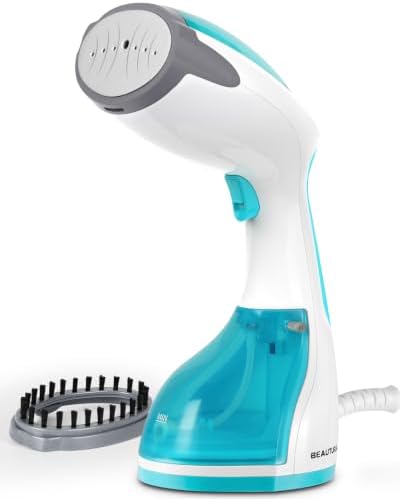
Steamer for Clothes, Handheld Garment Fabric Wrinkle Remover
1200 watt handheld steamer with a fifteen minute tank and a fabric brush
★★★★☆$29.99
The fork in the closet
Crisp edges want a press, drape wants steam and knits want neither. One note to settle which tool your pile actually needs.
An iron presses: heat plus weight, flattening cloth against a board. A steamer relaxes: hot vapor loosening fibers while the garment hangs. Pressing makes edges, which is what a shirt collar and a trouser crease are. Steaming removes wrinkles without adding any edges at all, which is what a drapey dress wants. Once you hold the two verbs apart, the closet sorts itself.
Cotton shirts, linen anything, pillowcases, trouser creases, hems you are about to sew: these want the iron. Linen in particular comes off the drying rack stiff as paper and only real plate contact talks it down. This is the Sunday evening pile, and a 1500 or 1800 watt iron with a full tank walks through it.
Blazers, pleats, silk and anything with structure or drape go to the steamer, because plate contact would flatten what the garment is built around. Sweaters and jersey knits also prefer steam when they need anything at all; a hot plate can leave a shine on wool that no second pass removes. And a pilled knit needs the fabric shaver first, since neither steam nor pressing removes a pill.
Count your hangers. A closet of dress shirts and linen argues for the iron; a closet of jackets, dresses and knits argues for the steamer. Our 2-in-1 handheld splits the difference with a heated plate on a steamer body, and the tool finder on this site asks three questions and does the counting for you.
1200 watt handheld steamer with a fifteen minute tank and a fabric brush
★★★★☆$29.99
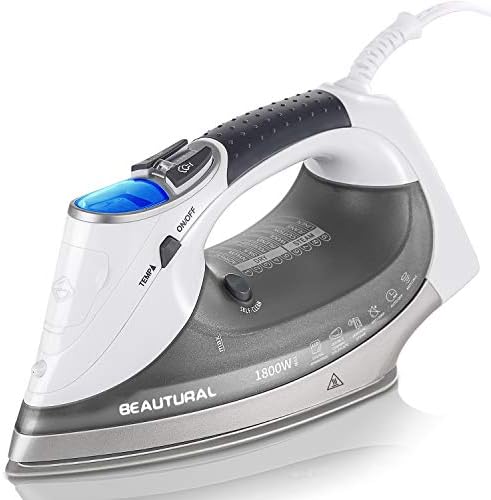
1800-watt steam iron with digital presets for Sunday baskets of mixed fabrics
★★★★★$41.99
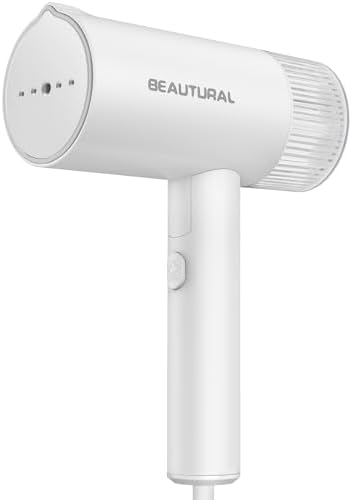
Compact 1000-watt folding handheld steamer built for quick touch-ups on the road
★★★★☆$29.97
A board-side walkthrough for pressing a dress shirt: the order of panels, ceramic versus non-stick soleplates, and what hard tap water does inside an iron.
The hanger-steaming routine for blazers and dresses: work top down, keep the fabric taut, and let the wrinkles fall out instead of pressing them flat.