 BEAUTURAL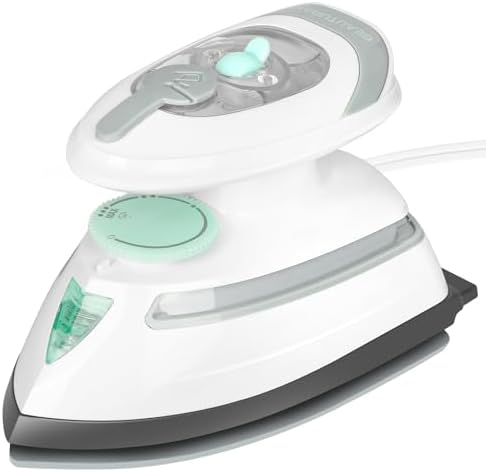
Mini Travel Steam Iron for Clothes with Dual Voltage, White
Compact dual voltage steam iron for travel bags and craft tables
★★★★★$29.97
The hotel room mirror
Dual voltage in one paragraph, what a mini iron gives up and what it keeps, and the case for a hair dryer that folds.
Wall power comes in two flavors: the Americas mostly run 110 to 120 volts, most of Europe and Asia run 220 to 240. A single-voltage appliance plugged into the wrong wall either sulks or cooks itself. Dual voltage means the heating element is built to take both, so the same mini iron presses a shirt in Chicago and in Lisbon. You may still need a plug-shape adapter; that part is just geometry.
Size, mostly. A 1000 watt mini iron heats a smaller plate than the Sunday iron at home, so a full duvet cover would take all evening. But a collar, a placket and two sleeve creases before dinner? That is exactly the plate size you want, and it shares a pouch corner with your chargers. Quilters figured this out years ago: the same small press that does a seam does a suitcase shirt.
Hotel wall dryers have their own opinions about your hair. Our 1600 watt travel dryer folds at the handle, runs on both voltage bands, and dries at a speed the bathroom fixture cannot, which buys back the minutes the mini iron spent on your collar.
Compact dual voltage steam iron for travel bags and craft tables
★★★★★$29.97
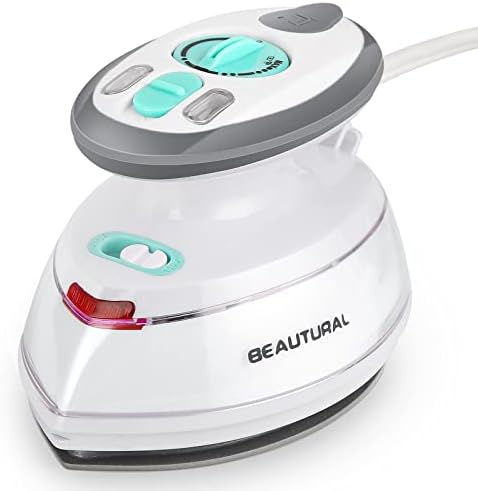
Compact dual-voltage steam iron shaped for tight suitcase corners and detailed sewing seams
★★★★☆$29.97
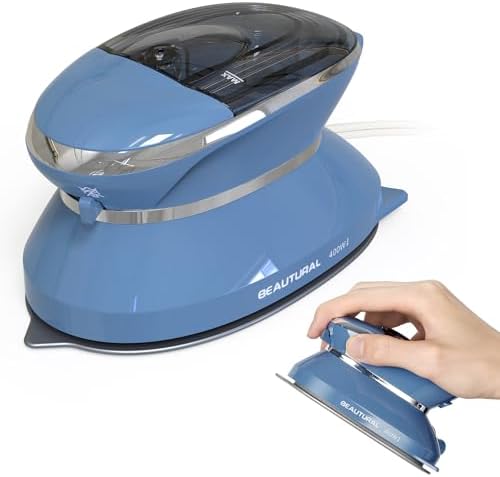
One pound travel iron in blue with dual voltage and a single temperature
★★★★★$19.97
How fabric pilling works and how a fabric shaver removes it: the rotating blade behind a screen, the flat-surface technique and when to stop.
How to choose between a steam iron and a garment steamer, fabric by fabric: cotton and linen on the board, wool and drape on the hanger.